What to Put in a Dog Crate
For what to put in a dog crate, start with a well-fitted pad only if your dog leaves bedding intact. Add a safe toy if your dog can use it without swallowing pieces; growing puppies may need a compatible divider, and a cover is optional.
On this page (9 sections)
- What should you put in a dog crate?
- How do you choose what to put in a dog crate?
- Should you put a bed or pad in the crate?
- What should go in a puppy crate as your dog grows?
- Should you put toys or chews in the crate?
- Should you cover a dog crate?
- What should you keep out of a dog crate?
- How should you set up and care for crate items?
- What belongs in a dog crate? A quick decision guide
For what to put in a dog crate, start with a well-fitted bed or pad only if your dog leaves it intact. A safe toy can suit a calm dog that doesn't break off and swallow pieces; a growing puppy may need a compatible divider, while a cover is optional.
Keep the setup simple. Every item should fit, leave the door clear, and stay in place without creating a snag, chewing, or swallowing risk.
What should you put in a dog crate?
Begin with a correctly sized crate and add only items your dog can use safely. A washable pad can give a non-chewer a comfortable place to rest, and a suitable toy may keep a relaxed dog occupied.
Your dog's behavior matters more than a long list of accessories. If your dog pulls apart fabric, eats stuffing, or shreds toys, leave those items out and use the bare crate floor until you have safe alternatives.
For help choosing the crate itself, see how to choose a dog crate. If you're preparing a puppy's space, our guide to how to set up a dog crate covers placement and first steps.
How do you choose what to put in a dog crate?
Choose by fit, chewing habits, age, and how your dog responds. Measure the crate floor for bedding, confirm the model for a divider or cover, and introduce one new item at a time while you can observe your dog.
A pad is for dogs that leave bedding alone. A divider is for a growing puppy in a crate that will fit at adult size, and a cover is for dogs that stay comfortable with reduced visual activity.
Don't buy several soft items at once. A simple setup makes it easier to see what your dog uses calmly and what needs to come out.
Which dog crate items suit your dog?
For a dog that rests quietly and doesn't chew fabric, choose one pad that fits the floor. For a puppy, use a divider only when it is made for the exact crate model and can be installed snugly.
A cover may suit a dog that settles with less activity in view. Skip it if your dog chews fabric, becomes distressed, or needs an unobstructed view and airflow.
Should you put a bed or pad in the crate?
Use a bed or pad only if your dog leaves it intact and it fits flat. It should not bunch against the door or reduce the room your dog needs to stand, turn, and lie down.
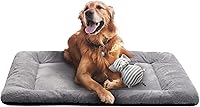
The VERZEY 42-inch pad measures 42 x 28 in and has a faux-fur surface with a non-slip bottom. It's machine washable and can be dried on low heat, making it a practical choice for a dog with a matching crate floor who doesn't chew bedding.
Measure the usable floor rather than relying only on the crate's size label. Before first use, shake and pat the pad to restore its fluffiness after unpacking; washing and drying it can also help.
For a smaller crate, the VERZEY 36-inch pad measures 36 x 23 in and has the same faux-fur surface, non-slip bottom, and machine-wash care. Choose it for a crate floor that fits those dimensions, not just because the crate is described as 36 inches.
These pads are not suited to a dog that chews or swallows fabric. Check seams and fabric after washing, and remove the pad if it becomes damaged or your dog starts pulling at it.
What should go in a puppy crate as your dog grows?
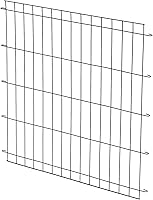
A compatible divider can reduce the available space in an adult-sized crate while a puppy grows. It helps you avoid giving a small puppy the full crate at once, but it must fit the exact crate model securely.
The MidWest divider is designed for specified 42-inch MidWest and New World models. Its snug fit is necessary for safe installation, so check the model number before buying rather than assuming every 42-inch crate will accept it.
Adjust the divider as your puppy gets bigger so the usable area remains appropriate. A divider does not replace choosing a crate that will fit your dog as an adult; see what size crate a puppy needs for help planning ahead.
Remove your puppy's collar, leash, lead, harness, and clothing before crating. MidWest gives this guidance for use with its divider, and it is a sensible precaution around crate parts that could catch.
Should you put toys or chews in the crate?
Leave a toy or chew in the crate only if your dog can use it without breaking off and swallowing pieces. Choose an item suited to your dog's size and chewing style, and observe your dog with a new item before leaving them alone.
A crate is not the place to find out whether a toy is safe. If your dog shreds toys, becomes destructive, or tries to eat pieces, keep toys out and ask a veterinarian or qualified trainer for advice.
Food and water need a suitable setup if your dog must have them in the crate. A loose bowl can tip, wet the bedding, or leave your dog without water, so don't add one unless it can stay secure and meet your dog's needs.
Should you cover a dog crate?
A cover is optional and should stay only if your dog remains calm and comfortable. Less visual activity may help some dogs settle, while others prefer an open view or may chew the fabric.
The MidWest cover is made for most 42-inch crates and has flaps that lift for visibility and ventilation. It works with single, double, and triple door crates, but not top-door crates, so check the outside measurements and door layout first.
Attach the cover securely and keep airflow clear. Raise the flaps if your dog needs more visibility or ventilation, and remove the cover if your dog chews it, seems distressed, or gets too warm.
What should you keep out of a dog crate?
Keep collars, leashes, leads, harnesses, and clothing off your dog while they're crated. These items can catch on crate parts, so remove them before closing the door.
Keep damaged bedding, toys, and chews out as well. Loose threads, torn fabric, and broken toy pieces can be swallowed, and a damaged item may become less safe than the bare crate floor.
Don't crowd the space with several beds, blankets, toys, or bowls. Your dog needs room to stand, turn around, and lie down comfortably, with a clear path to the door.
How should you set up and care for crate items?
Set up the crate with the fewest items your dog needs, then check each one regularly. Place the crate where your dog can rest without blocking household paths, and make sure bedding and accessories don't interfere with the door or ventilation.
Start with a pad or bed only if your dog is already calm around bedding. Introduce a toy separately, and watch for chewing or swallowing before leaving it in the crate while you're away.
Wash pads according to their care instructions and let them dry fully before putting them back. Inspect seams and the non-slip bottom, and take damaged fabric out of use.
For a divider or cover, confirm the crate model, dimensions, and door arrangement before installation. If you're deciding where the crate belongs, read where to put a dog crate at home.
What belongs in a dog crate? A quick decision guide
Choose the smallest safe setup that meets your dog's needs. Pick a washable pad if your dog leaves bedding intact, a compatible divider for a growing puppy, and a cover only if your dog stays comfortable with it.
Choose the 42-inch VERZEY pad for a floor that fits 42 x 28 in, or the 36-inch pad for a floor that fits 36 x 23 in. Choose the MidWest divider only for a compatible 42-inch model, and the cover only if your crate's size and doors match.
If your dog chews or swallows fabric, skip both pads and the cover. If a toy cannot be left safely, skip it too; a clear crate is a better choice than an unsafe accessory.
For more options such as bowls, mats, and other useful add-ons, see dog crate accessories worth buying. Keep the setup simple, and remove anything your dog damages, swallows, or finds unsettling.
Frequently asked questions
What should be in a puppy crate?
A puppy crate can have a correctly sized bed or pad and a safe chew toy, as long as your puppy does not chew or swallow pieces. Use a compatible divider to limit the space in an adult-sized crate while your puppy grows.
Remove collars, leashes, harnesses, and clothing before crating.
Should I put a bed in my dog's crate?
A bed or crate pad can make the crate more comfortable if your dog leaves it intact. Choose one that fits flat without bunching or blocking the door.
Check it for loose seams or damage, and remove it and ask your veterinarian for guidance if your dog chews bedding.
Should I cover my dog's crate?
A cover is optional. Some dogs settle with less visual activity, while others prefer an open view or may chew fabric.
If you try one, keep airflow clear, allow visibility, and remove it if your dog seems distressed or gets too warm.
What should I keep out of a dog crate?
Keep collars, leashes, leads, harnesses, and clothing off your dog in the crate because they can catch on crate parts. Avoid bedding or toys your dog tears apart or swallows.
Don't leave a loose food or water bowl that can tip; use a suitable secure setup if a bowl is needed.