Where Should You Put a Dog Crate in Your Home?
The best place for a dog crate is a quiet spot near family activity, where your dog can rest without being isolated or in the middle of constant traffic. Choose a dry, well-ventilated area away from heat, direct sun, and hazards.
On this page (9 sections)
- Where is the best place for a dog crate?
- Should the crate go in a bedroom or living room?
- How do you choose a safe, comfortable spot?
- Where should you put a puppy's crate?
- Is it okay to move a dog crate between rooms?
- Should you put a bed or cover in the crate?
- What spots should you avoid?
- How can you tell if the crate location is working?
- Where should you put a dog crate for the best routine?
The best place for a dog crate is a quiet spot near family activity, where your dog can rest without being shut away or placed in the middle of constant traffic. Pick a dry, well-ventilated area away from direct sun, heat, and household hazards.
A crate should feel like a resting place, not a punishment or a way to keep a dog apart from the household for long stretches. You can choose a daytime location and a separate bedtime location if that better fits your home.
Where is the best place for a dog crate?
Put the crate in a calm part of a shared room, such as a living room corner, where your dog can see familiar people without being jostled. Keep it out of busy walkways and away from loud appliances.
A spot beside a wall can make the area feel less exposed, while leaving enough space around the crate for ventilation and door access. Check that household members can walk past without bumping it.
Your dog's response matters. If they pace, bark at every passerby, or can't settle, try a quieter position in the same room or move the crate to a calmer nearby room.
Should the crate go in a bedroom or living room?
Use the room that fits your dog's routine and keeps the crate calm. A bedroom may suit nighttime rest, while a living room may work during the day when the household is nearby.
Avoid choosing a room only because it is convenient for storage. A crate tucked away in a garage, laundry room, or isolated basement can leave a dog separated from normal household activity, and those spaces may have temperature or noise issues.
Some dogs do well with one crate location throughout the day. Others benefit from a bedtime setup near the bedroom and a daytime spot where family members spend time.
How do you choose a safe, comfortable spot?
Choose a dry, level area with stable room temperature and clear space around the crate. Keep it away from direct sunlight, radiators, fireplaces, air-conditioning blasts, and damp areas.
Secure cords and remove small items the dog could reach through the crate. Keep cleaning products, food, and other hazards out of reach, and don't block exits or walkways with the crate.
Measure the available floor space before bringing in a crate. Our guide to choosing a dog crate explains how type, size, and door placement affect fit.
Does the crate need to be against a wall?
A wall behind or beside the crate can give it a more sheltered feel, but the crate doesn't need to be boxed in. Leave space for airflow and for you to reach the door, tray, and latches.
Avoid pushing a crate tightly against furniture or curtains. A dog may pull fabric through the bars, and a blocked side can make cleaning and access harder.
Where should you put a puppy's crate?
For a puppy, put the crate near where you sleep at night or where you spend calm time during the day. That makes it easier to notice when the puppy needs attention and helps the crate become part of a predictable routine.
Keep the crate away from stairs, dangling cords, and busy doors. Puppies may chew or explore their surroundings, so check the nearby area from their eye level.
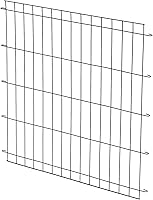
A divider can help adjust the usable space as a puppy grows. The MidWest 36-inch single door iCrate includes a divider panel and measures 36.5 x 23.25 x 24.75 inches.
Check your dog's measurements and the room layout before choosing a crate size. See how to measure a dog for a crate and what size crate a puppy needs.
Is it okay to move a dog crate between rooms?
Yes, you can move a crate if each spot is safe and your dog can settle there. Keep the crate's role and routine consistent, even when the room changes.
If moving it causes restlessness, make changes gradually and give your dog time to adjust. Avoid moving the crate in the middle of a stressful event or using a new location as a consequence.
A foldable wire crate can be easier to reposition or store. The MidWest 36-inch single door iCrate folds flat without tools.
Should you put a bed or cover in the crate?
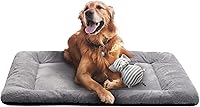
A pad can make a crate more comfortable if your dog doesn't chew or shred bedding. The Washable crate pad, 42-inch measures 42 x 28 x 1 inches, so compare its dimensions with the crate's interior before buying.
For puppies that chew bedding, dogs that dig, or dogs that have accidents, start with a bare crate tray and add bedding only when it suits their habits. See what to put in a dog crate for help choosing crate items.
A cover may add privacy to a wire crate, but it should not block needed airflow or make the crate hot. The MidWest large crate cover, 42-inch fits most 42-inch crates and has flaps that lift for visibility and ventilation.
Measure the outside of your crate before choosing a cover, since fit varies by crate model. A cover is not a fix for a crate location that is too noisy, warm, or busy.
What spots should you avoid?
Avoid hot, sunny, damp, or high-traffic locations. A crate beside a heater, near a stove, in a draft, or where doors swing open can make rest uncomfortable or unsafe.
Don't put a crate where people will step over it or where the dog is repeatedly startled by passersby. Avoid placing it next to a television or speaker if loud sounds keep your dog alert.
A covered porch, garage, or vehicle isn't a substitute for a comfortable indoor crate spot. Check temperature and ventilation carefully, and follow the crate maker's instructions for travel use.
How can you tell if the crate location is working?
The location is working if your dog can lie down and rest without frequent disturbance. Watch for repeated barking at activity, panting when the room is warm, or reluctance to enter.
Try a small change before relocating the crate to a different room. Turn it away from a busy doorway, shift it out of direct sun, or choose a quieter corner.
Clean the area and crate regularly, especially if food or water spills nearby. Our guide to how to clean a dog crate covers routine care.
Where should you put a dog crate for the best routine?
For the best place for a dog crate, choose a calm shared area during the day and a quiet bedroom spot at night when needed. Keep either location comfortable, safe, and easy to reach.
Choose a crate that fits the space and your dog, then add a pad or cover only if it suits their habits. For setup steps, read how to set up a dog crate.
Frequently asked questions
Should a dog crate be in the bedroom or living room?
Put the crate where your dog can rest while staying near the household. A bedroom can work at night if it is quiet and has safe floor space; a living room can work during the day if traffic and noise don't interrupt rest.
Some homes use one location for each routine.
Can I put a dog crate near a window?
A window can be fine if the spot stays comfortable and the dog doesn't bark or become restless watching activity outside. Avoid direct sun, drafts, and nearby cords or blinds.
Check the area at different times of day because light and temperature can change.
Should I cover my dog's crate?
A cover may make a wire crate feel more private, but keep airflow and visibility appropriate for your dog. Use a cover designed for the crate size, and stop if your dog pulls at it, chews it, or seems more unsettled.
Some dogs prefer an uncovered crate.
Where should I put a puppy's crate at night?
Place a puppy's crate near your bedroom or another quiet sleeping area so you can hear them and keep the routine calm. Choose a spot away from cords, heaters, and walkways, then adjust the location as your puppy settles and your household routine changes.