Wire vs Plastic Dog Crates: Which Is Better? (October 2026)
Choose wire for an open home setup with a tray or divider; choose plastic for an enclosed kennel that’s easy to wipe. This plastic dog crate vs wire comparison helps you match the crate to your dog, room and travel plans.
On this page (7 sections)
- Plastic dog crate vs wire: what changes in daily use?
- Is a wire crate the better choice for home use?
- When does a plastic dog crate make more sense?
- Which crate is easier to clean?
- Does a wire or plastic crate work better for a puppy?
- What setup mistakes should you avoid?
- Which dog crate should you choose?
For a plastic dog crate vs wire, choose wire for open sides and home flexibility, or plastic for an enclosed shell and wipeable surfaces. The right type depends on your dog’s response to the space, your cleanup routine and where you plan to use the crate.
Wire crates have open sides, often with a removable tray. Plastic kennels have a solid shell with ventilation openings, creating a more enclosed space.
Both can serve as a dog’s resting place. Start by measuring your dog and the spot where the crate will go, then consider doors, cleanup and travel needs.

Plastic dog crate vs wire: what changes in daily use?
Wire crates are open to the room, while plastic crates surround your dog with a shell. That difference shapes what your dog can see, how you clean the crate and how easily it fits into a home or travel routine.
A wire design gives your dog a wider view of household activity. That can suit a dog who settles while watching people nearby, but a busy room may keep some dogs alert.
A plastic shell limits side views. It can give a dog a more enclosed resting space, though a dog who likes seeing the room may prefer open sides.
The material alone doesn’t tell you which dog will settle more easily. Watch how your dog responds to the location and level of activity, and choose a setup that supports calm rest.
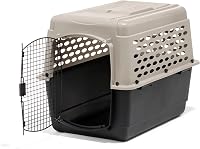
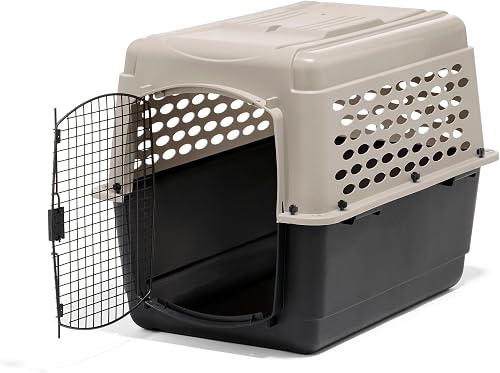
The MidWest iCrate and Precision Pet crate are wire models with trays. The Petmate Vari Kennel has a plastic shell and wire door.
Is a wire crate the better choice for home use?
Choose a wire crate for home use when you want an open view, a removable tray or a divider. Check the dimensions and door position against the room before deciding where it will stand.
The MidWest iCrate measures 36.5 x 23.25 x 24.75 in. Its divider panel adjusts the usable space, and the leak-proof tray, rubber feet and carry handle suit a regular home setup.
It also folds flat without tools, which helps if you need to store it between uses. Skip this model if your dog needs a more enclosed space or if its single door won’t work in your chosen spot.
The Precision Pet crate offers a divider and removable pan as well. Its two doors provide more options when a wall or furniture blocks one side.
Pick the Precision Pet model if access from either side matters. Its wire sides remain open to the room, so it may not suit a dog that settles better with fewer views.
Set either crate on a level spot with enough room to open the door fully. Leave a clear path to the entrance and keep the crate away from household traffic if nearby activity distracts your dog.
For more on choosing a crate by size, type and door layout, see our guide to choosing a dog crate.
When does a plastic dog crate make more sense?
Choose a plastic kennel when you want an enclosed shell that’s easy to wipe and may suit your travel plans. Check the interior dimensions, your vehicle space and any travel rules before buying.
The Petmate Vari Kennel has an interior measuring 32.5 x 22.2 x 26 in and is designed for dogs weighing 50–70 lb. It has a wire door, ventilation on all four sides and a stay-dry moat that directs fluids away from your dog.
The shell can be wiped after muddy paws or an accident. Its enclosed sides block some views of the room, so consider whether your dog is comfortable resting in a more enclosed space.
Petmate says this kennel meets most airline cargo specifications. Requirements can vary by airline and route, so contact the airline for the rules that apply to your trip before you travel.
For car use, measure the cargo area and plan how to secure the kennel. A crate that fits in the vehicle still needs a secure arrangement for the ride; see our guide to securing a dog crate in a car.
Skip this kennel if its interior is too small for your dog, if you need multiple door positions or if an enclosed shell doesn’t suit your dog’s preferences. The front door also needs enough room to open without hitting nearby objects.
Which crate is easier to clean?
A plastic shell wipes down easily, while a wire crate with a removable tray lets you clean the base separately. Choose the design that gives you straightforward access to the parts most likely to get dirty.
The Vari Kennel’s shell and stay-dry moat help manage fluids. The MidWest iCrate has a leak-proof tray, and the Precision Pet crate has a removable pan.
A tray or pan can be taken out without moving the entire crate. A smooth shell is simple to wipe, but the door area and corners still need attention.
Clean messes promptly and let surfaces dry before your dog returns. Avoid leaving damp bedding inside, and keep the door and tray area clear so you can reach them during routine cleanup.
See our dog crate cleaning guide for a practical routine for trays, shells and crate interiors.
Does a wire or plastic crate work better for a puppy?
A wire crate with a divider can adjust its usable space as a puppy grows, but you still need to choose a suitable size. A divider helps manage the interior; it doesn’t replace measuring your dog.
Both wire options here include divider panels. The MidWest iCrate is designed for dogs weighing 41–70 lb, and the Precision Pet crate is designed for pets weighing 50–70 lb.
The Vari Kennel may suit a puppy if its interior fits and you want an enclosed shell. It is designed for dogs weighing 50–70 lb, so consider the puppy’s expected adult size and whether the interior will remain suitable.
Think about cleanup during house training, too. A removable tray or pan can be taken out, while the plastic kennel’s shell and moat provide a wipeable surface.
Read what size crate a puppy needs and how to measure a dog for a crate before choosing.
How should you measure for a plastic dog crate vs wire?
Measure your dog and compare those measurements with the crate’s usable interior. A crate can fit the room and still be too small or awkward for your dog.
Measure from nose to the base of the tail, and from the floor to the top of the head while your dog is standing. Allow enough space to stand, turn around and lie down comfortably.
Compare interior measurements with interior measurements. The wire crates are close in footprint, while the Vari Kennel’s listed interior is 32.5 x 22.2 x 26 in; don’t compare its interior directly with another model’s outside dimensions.
Door placement matters after sizing. The Precision Pet crate has two doors, while the MidWest iCrate and Vari Kennel have a single front entry.
If you’re comparing wire options, our guide to wire dog crate size, doors and trays explains what to check. For a broader look at crate fit, use the dog measurement guide.
What setup mistakes should you avoid?
Measure the space, place the crate carefully and check that the door can open before settling on a style. A good setup makes everyday entry, cleaning and rest easier.
Don’t choose by the crate’s outside width alone. Check the usable interior and make sure your dog can stand, turn and lie down without being cramped.
Don’t block the doorway with a wall or furniture. This is especially important when choosing a single-door model, because you have fewer placement options than with a crate that has two doors.
Avoid assuming that a travel kennel automatically meets every airline’s current requirements. Confirm the rules for your exact carrier and route, and check that the crate will fit and can be secured for a car trip.
Don’t make cleanup harder by leaving a tray or pan inaccessible. Set the crate where you can open the door, remove the base when needed and wipe the surfaces.
Which dog crate should you choose?
Pick wire for an open home setup with a tray, divider or flexible access; pick plastic for an enclosed kennel with wipeable surfaces and travel features. Then confirm that the size, entry and location work for both you and your dog.
Choose the MidWest iCrate when its divider, tray and fold-flat design match your home routine. Choose the Precision Pet crate when two entry doors help it fit the room.
Choose the Petmate Vari Kennel when an enclosed shell and travel features matter, after confirming its interior size and any applicable travel rules. If neither type suits your dog or space, compare more options in the complete dog crate guide.
Frequently asked questions
Is a wire or plastic dog crate better?
A wire crate suits home use when you want open sides, a removable tray or a divider. A plastic crate offers an enclosed shell and a surface that’s easy to wipe down.
Choose based on your dog’s comfort, the cleanup you expect and where the crate will sit.
Are plastic dog crates good for travel?
A plastic kennel can work for travel because its shell is enclosed and it has a door and ventilation openings. Airline rules depend on the carrier and route, so confirm requirements before flying.
For car trips, check the crate’s fit in your vehicle and plan how to secure it.
Are wire crates easier to clean?
A wire crate with a removable tray lets you take the base out for cleaning, while a plastic shell can be wiped down. Which is easier depends on the mess and the crate’s shape.
Clean spills promptly, reach around the door and let surfaces dry before your dog returns.
Which crate is better for a puppy?
Either style can suit a puppy when the crate is the right size and gives the dog a comfortable place to rest. A divider in some wire crates lets you adjust the usable space as the puppy grows.
Measure your puppy and consider adult size, cleanup and the crate’s available interior.
Can you use a plastic dog crate for a car?
Yes, a plastic kennel can be used in a car if it fits securely and your dog can travel comfortably. Check the vehicle space, crate fit and restraint method before a trip.
Our guide to securing a dog crate in a car covers the setup.